
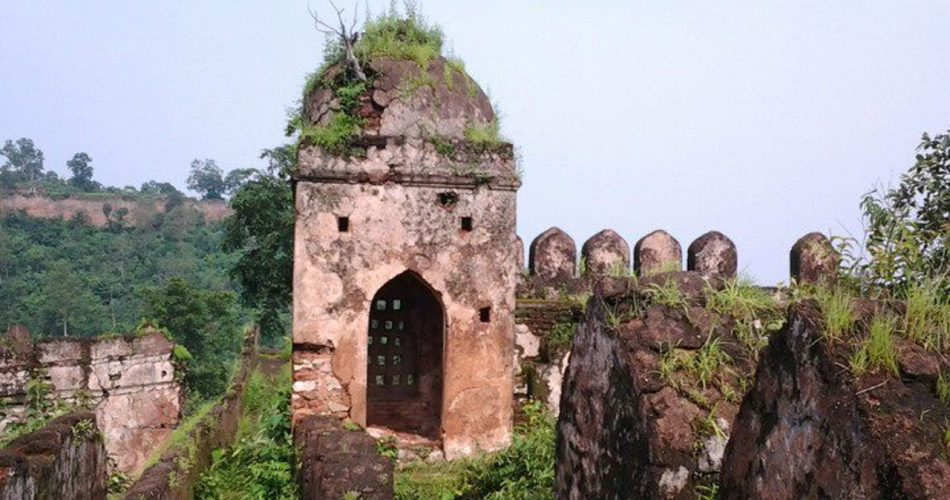
Palamu is a historically rich district in western Jharkhand, known for its forests, wildlife, rivers, waterfalls, ancient forts and tribal heritage. Located in the Palamu Division, the district is home to the famous Palamu Tiger Reserve and the historic Palamu Forts, making it an important destination for nature lovers, history enthusiasts and adventure travellers.
Medininagar (Daltonganj) serves as the district headquarters.
Geography
Palamu district is located in the northwestern part of Jharkhand and forms part of the Chota Nagpur Plateau. The district covers an area of approximately 4,393 square kilometres.
It shares boundaries with Latehar, Garhwa, Chatra and Aurangabad and Rohtas districts of Bihar.
The landscape consists of forests, hills, plateaus, valleys and rivers. The North Koel River is one of the most important rivers flowing through the district.
History
Palamu has a long and fascinating history. The region was ruled by several dynasties, including the Chero dynasty, which played an important role in the history of the area.
The famous Palamu Forts were built during the Chero period and are among the most important historical monuments of Jharkhand.
During British rule, Palamu also became associated with several tribal and local resistance movements against colonial authority.
The district was historically part of the larger Palamu region and later became the administrative centre of the Palamu Division.
Population & Administration
According to Census 2011, Palamu district had a population of approximately 19.39 lakh.
The district is divided into three subdivisions:
- Medininagar
- Chhatarpur
- Hussainabad
Palamu has 21 blocks, including:
- Medininagar
- Chainpur
- Ramgarh
- Bishrampur
- Satbarwa
- Patan
- Manatu
- Panki
- Tarhasi
- Lesliganj
- Pandu
- Hariharganj
- Chhatarpur
- Nawabazar
- Hussainabad
- Haidernagar
- Mohammadganj
- Pipra
- Untari Road
- Daltonganj
- Pandwa
Medininagar is the administrative headquarters of the district.
Culture & Heritage
Palamu has a diverse cultural heritage influenced by tribal communities and the traditional culture of the region.
Communities including Oraon, Chero, Kharwar and other tribal groups have contributed to the cultural identity of Palamu.
Traditional festivals such as Sarhul, Karma, Sohrai and other local celebrations are observed with traditional music, dance and community gatherings.
Economy
Agriculture is one of the major economic activities in Palamu. Paddy, wheat, maize, pulses and vegetables are among the important crops cultivated in the district.
Forestry and forest-based activities are also important, particularly in rural and tribal areas.
Palamu also has mineral resources and small-scale industries, while Medininagar serves as an important commercial centre for the region.
Tourist Attractions in Palamu
Palamu is one of Jharkhand’s most interesting destinations for travellers who enjoy wildlife, forests, historical monuments, waterfalls and offbeat locations.
1. Palamu Tiger Reserve
Palamu Tiger Reserve is the most famous natural attraction of the region and one of the major wildlife destinations in Jharkhand.
The reserve forms part of the Betla landscape and is home to a variety of wildlife, including tigers, elephants, leopards, sloth bears, gaur, deer and wild boar.
The forests, hills and rivers of the reserve provide excellent opportunities for wildlife enthusiasts, photographers and nature lovers.
2. Palamu Fort
The historic Palamu Fort is one of the most important heritage sites in Jharkhand.
There are two major fort complexes associated with the Chero rulers. The old fort is located near the North Koel River, while the newer fort stands on a hill nearby.
The ruins provide a fascinating glimpse into the medieval history of the Palamu region and are surrounded by forests and scenic landscapes.
3. Betla National Park
Although much of the famous Betla landscape lies in neighbouring Latehar district, Betla National Park and the Palamu Tiger Reserve ecosystem are closely associated with the wider Palamu region.
The area is famous for its forests and wildlife and attracts visitors throughout the year.
4. Lodh Falls
Lodh Falls is one of the spectacular natural attractions of the wider Palamu region. The waterfall is formed by the Burha River and drops through a dramatic forested landscape.
With a height of around 143 metres, Lodh Falls is widely regarded as the highest waterfall in Jharkhand.
5. Koel River
The North Koel River is an important geographical and scenic feature of Palamu.
The river flows through forested and hilly landscapes and forms an integral part of the natural environment around the Palamu Forts and wildlife areas.
6. Shahpur Fort
The Shahpur Fort is another historical attraction in the Palamu region. The site reflects the area’s rich history and the influence of different rulers over the centuries.
Its location near the river and surrounding landscapes makes it an interesting destination for history lovers.
7. Medininagar
Medininagar, formerly known as Daltonganj, is the headquarters and largest urban centre of Palamu.
The city serves as the region’s commercial, educational and administrative hub and provides access to several attractions in the surrounding areas.
Natural Beauty
Palamu is blessed with dense forests, hills, rivers, wildlife and historical landscapes.
The forests of the Palamu Tiger Reserve provide one of the richest wildlife habitats in Jharkhand, while the North Koel River adds to the scenic beauty of the region.
The combination of forests and historic forts makes Palamu particularly attractive for photographers, history enthusiasts and nature lovers.
Transportation & Connectivity
Palamu is well connected by road and railway with Ranchi and other major cities of Jharkhand and neighbouring Bihar.
Daltonganj Railway Station, now officially known as Medininagar Railway Station, is an important railway station connecting the region with major cities.
The nearest major airport is Birsa Munda Airport in Ranchi, which provides air connectivity for visitors travelling to Palamu.
Best Time to Visit Palamu
The October to February period is generally considered the best time to explore Palamu because of the pleasant weather.
For wildlife enthusiasts, the cooler months are comfortable for exploring forest areas. The monsoon season brings lush greenery and flowing streams, although some forest and waterfall destinations may become difficult to access during heavy rainfall.
Why Visit Palamu?
Palamu is a destination where history, wildlife, forests, rivers and tribal heritage come together. From the ancient Palamu Forts and the forests of the Palamu Tiger Reserve to the scenic North Koel River, the district offers a unique travel experience.
If you are interested in wildlife safaris, historical forts, forests, photography and offbeat destinations, Palamu is one of the most fascinating regions of Jharkhand to explore.