
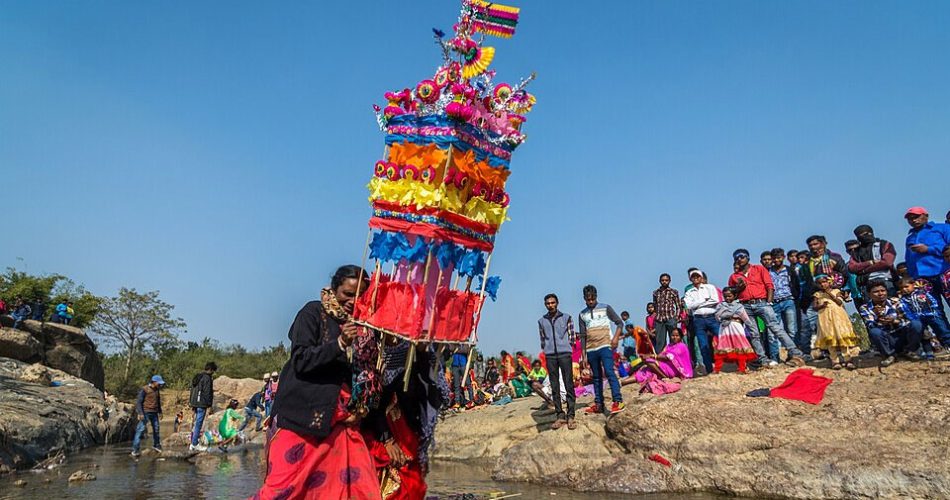
Tusu Parab, also known as Tusu Festival, is a traditional harvest festival celebrated mainly in Jharkhand and parts of neighboring West Bengal and Odisha. The festival is closely connected with agriculture, nature, folk traditions and the rural life of communities in the Chotanagpur and surrounding regions.
Tusu Parab is especially popular among tribal and rural communities, where women and young girls play an important role in preparing Tusu songs, decorations and celebrations. The festival brings villages together through folk music, dance, fairs and traditional rituals.
History and Significance
Tusu Parab is associated with the agricultural cycle and the harvesting season. The festival is celebrated as a time of gratitude for the year’s harvest and prosperity. Tusu traditions are particularly strong among communities in southern and eastern Jharkhand.
The festival also represents community bonding, respect for nature and the preservation of Jharkhand’s rich folk culture. Traditional Tusu songs often express themes of love, village life, agriculture, social relationships and local traditions.
When is Tusu Parab Celebrated?
Tusu Parab is generally celebrated during the Pausha month of the Hindu calendar, corresponding roughly to December–January. The main celebration takes place around Makar Sankranti, marking the end of the winter harvest period and the beginning of a new agricultural cycle.
The exact customs and dates can vary between communities and regions.
How Tusu Parab is Celebrated
Tusu Parab is celebrated with a variety of traditional activities:
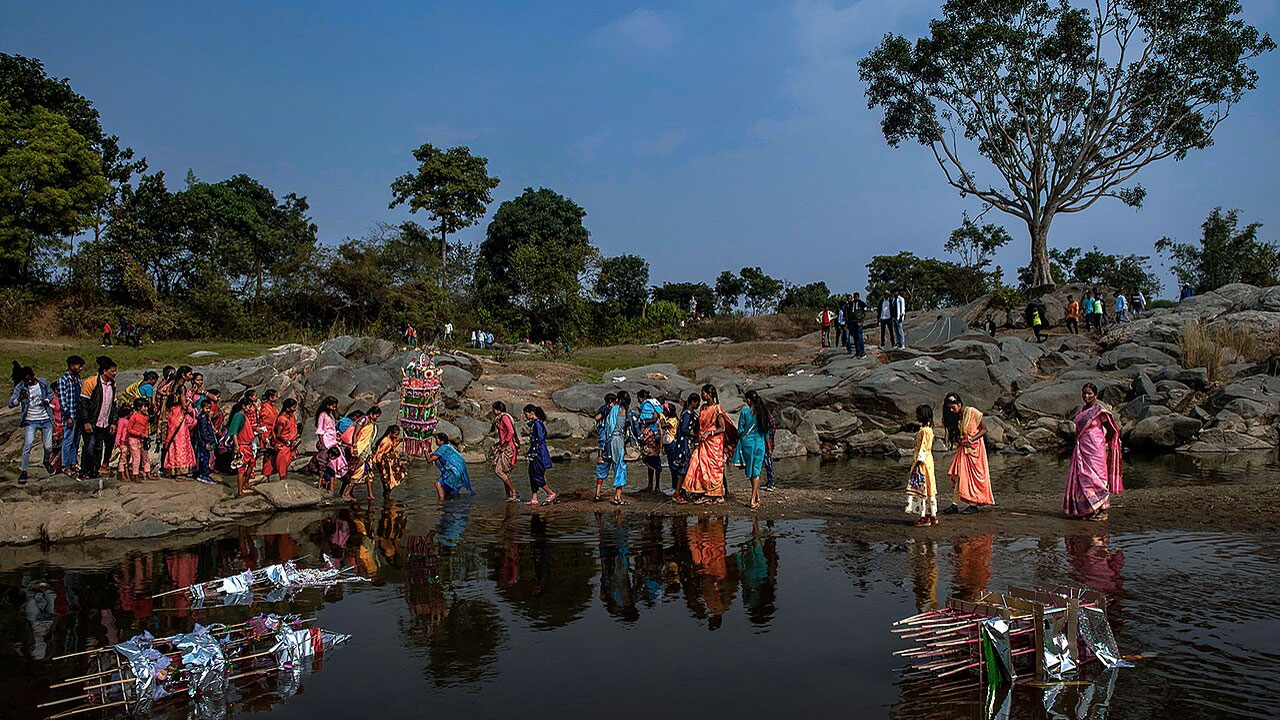
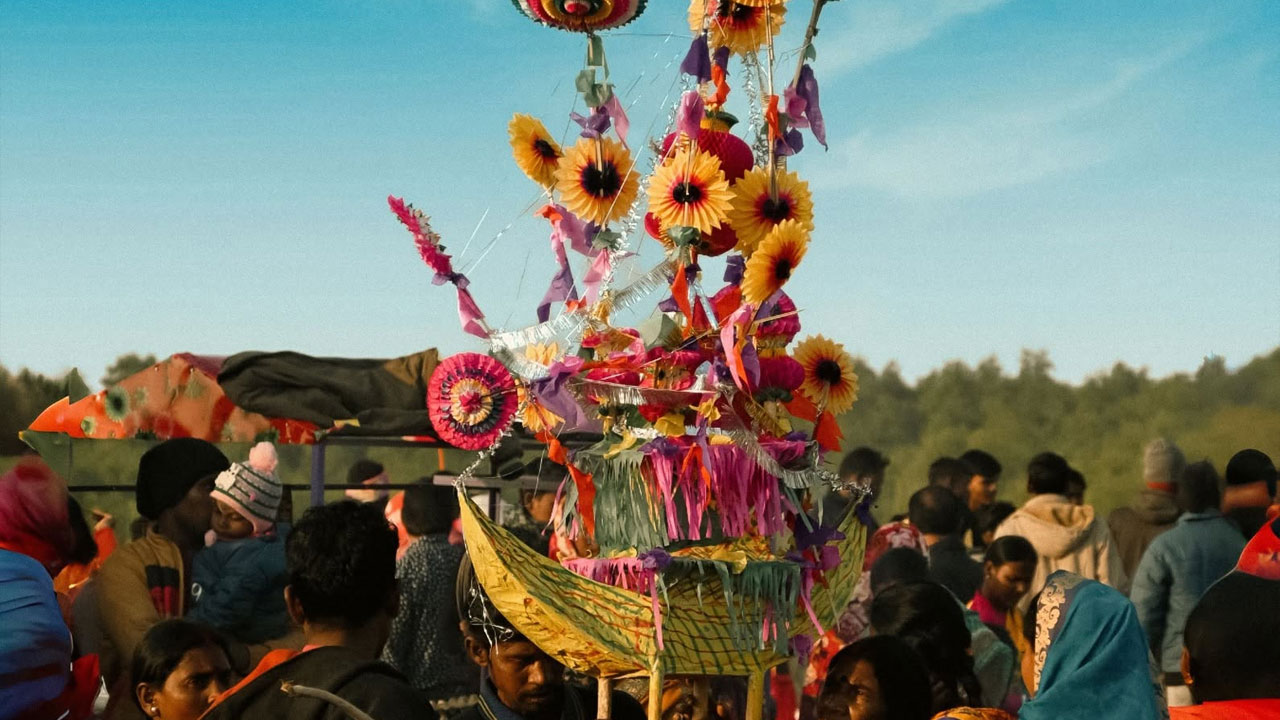
- Preparation and decoration of Tusu idols or symbolic structures
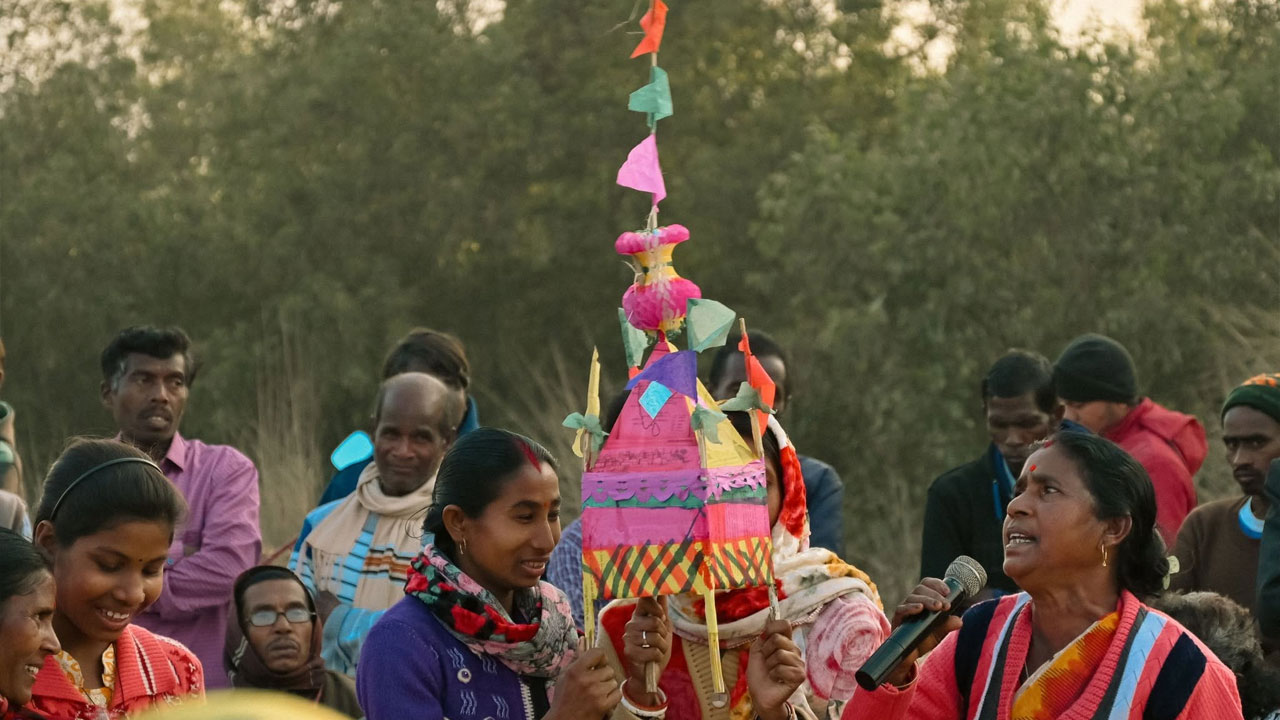
- Singing traditional Tusu folk songs
- Community gatherings and cultural programmes
- Traditional folk dances
- Village fairs and local markets
- Preparation of traditional food and sweets
- Offering prayers for prosperity and a good harvest
- Immersion or ceremonial farewell of Tusu in some communities
Women and girls traditionally gather to sing Tusu songs, making the festival an important platform for preserving Jharkhand’s oral folk traditions.
Tusu Songs and Folk Culture
Tusu songs are one of the most distinctive features of the festival. They are traditionally sung in groups and are passed from one generation to another.
The songs may describe village life, agriculture, relationships, nature, emotions and contemporary social issues. Their simple but expressive style makes Tusu Parab an important part of Jharkhand’s folk heritage.
Traditional Food
Food is an important part of the harvest celebrations. Families prepare locally popular dishes and sweets using seasonal ingredients, rice, grains, jaggery and other traditional foods.
In many rural areas, the festival is also an opportunity for families and communities to share food and celebrate together.
Tusu Parab in Jharkhand
Tusu celebrations are particularly prominent in areas of eastern and southern Jharkhand, including parts of Ranchi, East Singhbhum, West Singhbhum, Seraikela-Kharsawan, Bokaro, Dhanbad and surrounding regions.
Local fairs and cultural gatherings provide visitors with an opportunity to experience traditional music, handicrafts, food and village culture.
Cultural Importance
Tusu Parab is more than a harvest festival. It helps preserve:
- Jharkhand’s traditional folk songs
- Rural and tribal cultural practices
- Community traditions
- Agricultural heritage
- Traditional art and decoration
- Intergenerational storytelling and oral traditions
The festival highlights the close relationship between people, nature and agriculture that has shaped Jharkhand’s cultural identity for generations.
Why Tusu Parab is Important
Tusu Parab celebrates harvest, nature, community and cultural heritage. It provides a space for people to come together, enjoy traditional performances and pass local customs to younger generations.
For visitors, experiencing a Tusu celebration can offer a fascinating glimpse into the folk traditions and rural cultural life of Jharkhand.
Experience Tusu Parab in Jharkhand
Visitors interested in Jharkhand’s culture can experience Tusu celebrations through local village fairs, cultural programmes and community events held around the festival season. Respecting local customs and participating with the guidance of local communities helps preserve the authenticity of the celebration.