
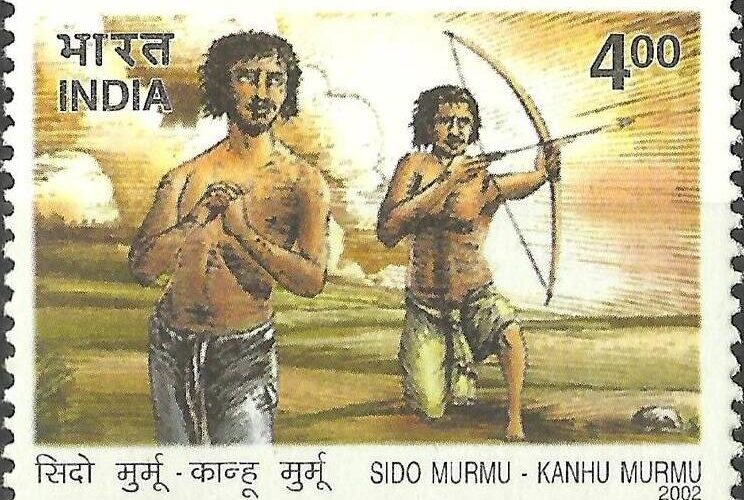
Kanhu Murmu (c. 1820 – 1856) was a prominent Santhal tribal leader and freedom fighter who, along with his elder brother Sidhu Murmu, led the historic Santhal Hul (rebellion) against British colonial rule in 1855–1856.
Born in Bhognadih village in present-day Sahibganj district of Jharkhand, Kanhu Murmu stood against the exploitation of Santhal communities by British officials, landlords, moneylenders and oppressive colonial systems. His leadership helped transform widespread anger into a powerful mass uprising for justice, dignity and self-rule.
The Santhal Hul remains one of the major tribal rebellions in India’s history, and Kanhu Murmu is remembered as a symbol of courage, unity and resistance.
Early Life and Background
Kanhu Murmu was born around 1820 in Bhognadih village, in the present-day Sahibganj district of Jharkhand. He belonged to a Santhal family and grew up in a rural environment closely connected with farming, forests and traditional community life.
His parents were Chunni Manjhi Murmu and Saloma. He had siblings including Sidhu, Chand, Bhairav, Phulo and Jhano, who are also associated with the history and traditions of the Santhal rebellion.
During his early life, Kanhu witnessed growing exploitation of Santhal families through land revenue demands, debt, unfair practices by moneylenders and the increasing influence of outsiders in traditional tribal areas.
These conditions played an important role in shaping his determination to resist injustice and protect the rights of his community.
The Santhal Hul – A Historic Rebellion
The Santhal Hul of 1855–1856 was one of the most important uprisings against British colonial rule in eastern India.
The Santhal community faced growing economic exploitation and loss of control over ancestral lands. Moneylenders, landlords and colonial officials imposed unfair conditions that threatened the livelihood and independence of local people.
On 30 June 1855, Sidhu and Kanhu Murmu called upon the Santhal community to unite against oppression. The rebellion spread across the Damin-i-Koh region and adjoining areas, becoming a major challenge to the British East India Company.
Kanhu Murmu played a crucial role in organising the movement and inspiring people to fight for justice, land rights and freedom.
Leadership Alongside Sidhu Murmu
Kanhu Murmu worked closely with his elder brother Sidhu Murmu, who was also a leading figure of the Santhal Hul.
Together, they mobilised people from different villages and helped establish a united resistance against colonial administration and exploitative landlords.
Their younger brothers Chand Murmu and Bhairav Murmu also participated in the uprising. Their sisters Phulo and Jhano are remembered in Santhal history and folk traditions for their courage and association with the struggle.
The Murmu siblings became symbols of collective resistance and tribal unity.
Causes of the Santhal Rebellion
The Santhal Hul emerged from several interconnected grievances:
- Exploitation by moneylenders and landlords.
- Excessive rents and revenue demands.
- Loss of ancestral land and traditional land rights.
- Debt bondage and economic hardship.
- Corruption and unfair practices in colonial administration.
- Interference with tribal customs, livelihood and community systems.
Kanhu Murmu and other leaders united people to challenge these injustices and demand a system that respected their rights and dignity.
The Call for Self-Rule
The Santhal Hul was not merely a protest against economic exploitation. It was also a movement for freedom, dignity and self-governance.
The leaders sought to establish a system in which Santhal communities could live without the oppression of colonial authorities, landlords and exploitative intermediaries.
The rebellion reflected the desire to protect traditional culture, community values and ancestral land. It became a powerful expression of the demand for Santhal Raj and local self-rule.
The Struggle Against British Rule
The rebellion spread rapidly, and British authorities responded with military force. The Santhal fighters faced a heavily equipped colonial army and severe repression.
Despite the challenges, the movement demonstrated the determination of tribal communities to resist injustice and defend their homeland.
The uprising was eventually suppressed, but it exposed the deep problems within colonial administration and left a lasting impact on the region’s political and social history.
Arrest and Martyrdom
Kanhu Murmu’s rebellion challenged the British administration across the Santhal region. Following the suppression of the uprising, the colonial authorities pursued the rebellion’s leaders.
Kanhu Murmu was captured and subsequently executed in 1856. His death marked the loss of one of the most important leaders of the Santhal Hul.
Although the uprising was suppressed, his sacrifice and leadership became an enduring source of inspiration for future generations.
Impact of the Santhal Hul
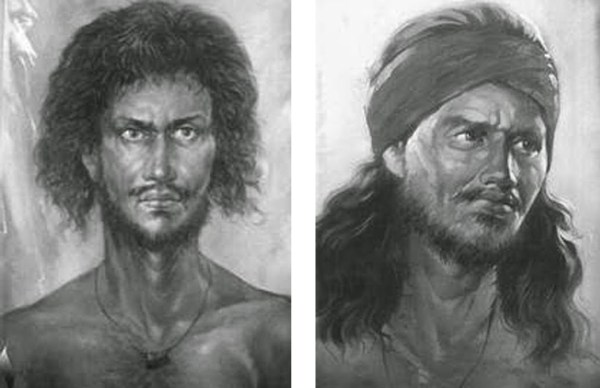
The Santhal rebellion brought significant attention to the problems faced by tribal communities under colonial rule.
The uprising highlighted the need for changes in land administration, protection against exploitation and recognition of tribal rights.
In the aftermath of the rebellion, the British administration reorganised the region and created the Santhal Parganas administrative area. Over time, special legal and administrative protections developed for the region, including the Santhal Parganas Tenancy framework.
The rebellion remains an important historical example of resistance against colonial exploitation and the struggle for community rights.
Hul Diwas – Remembering the Santhal Heroes
Every year, 30 June is celebrated as Hul Diwas in Jharkhand and other areas associated with the Santhal community.
The day commemorates the beginning of the Santhal rebellion in 1855 and honours the courage and sacrifice of Sidhu, Kanhu, Chand, Bhairav, Phulo, Jhano and countless other participants.
Hul Diwas is observed through tributes, cultural programmes, traditional songs, gatherings and educational activities that celebrate tribal history and heritage.
Bhognadih – The Birthplace of Sidhu and Kanhu
Bhognadih village in Sahibganj district holds great historical importance as the birthplace of Sidhu and Kanhu Murmu.
The village is a symbol of the Santhal Hul and the courage of the Murmu brothers. It is remembered as the place where the call for a united resistance against British rule became a defining chapter in the history of tribal freedom movements.
Visitors and history enthusiasts interested in Jharkhand’s freedom struggle can explore the cultural and historical significance of the Santhal Pargana region.
Legacy of Kanhu Murmu
Kanhu Murmu remains one of the most respected tribal freedom fighters in Jharkhand. His leadership and sacrifice continue to inspire people to stand against injustice, protect their identity and fight for equality.
His legacy represents:
- Tribal unity and collective strength.
- Resistance against colonial exploitation.
- Protection of ancestral land and livelihood.
- The preservation of Santhal culture and traditions.
- The ideals of dignity, justice and self-governance.
His name is remembered alongside other great tribal heroes who played a crucial role in India’s freedom struggle.
Why Kanhu Murmu is Remembered
Kanhu Murmu is remembered for his extraordinary contribution to India’s early freedom movement.
- Led the historic Santhal Hul of 1855–1856.
- Mobilised thousands of Santhal people against British rule.
- Challenged exploitative landlords and moneylenders.
- Fought for tribal land rights and community dignity.
- Supported the vision of Santhal self-governance.
- Became an enduring symbol of tribal courage and resistance.
- Inspired generations through his sacrifice and leadership.
Conclusion
Kanhu Murmu was a courageous leader whose struggle became an important chapter in the history of India’s freedom movement. His leadership during the Santhal Hul reflected the determination of tribal communities to defend their land, culture, identity and independence.
Though the rebellion was suppressed by the British, the spirit of the Hul survived and became a symbol of resistance and pride.
Remembering Kanhu Murmu is a way of honouring the sacrifices of tribal freedom fighters whose contributions helped shape India’s history and continue to inspire the pursuit of justice, equality and self-rule.