
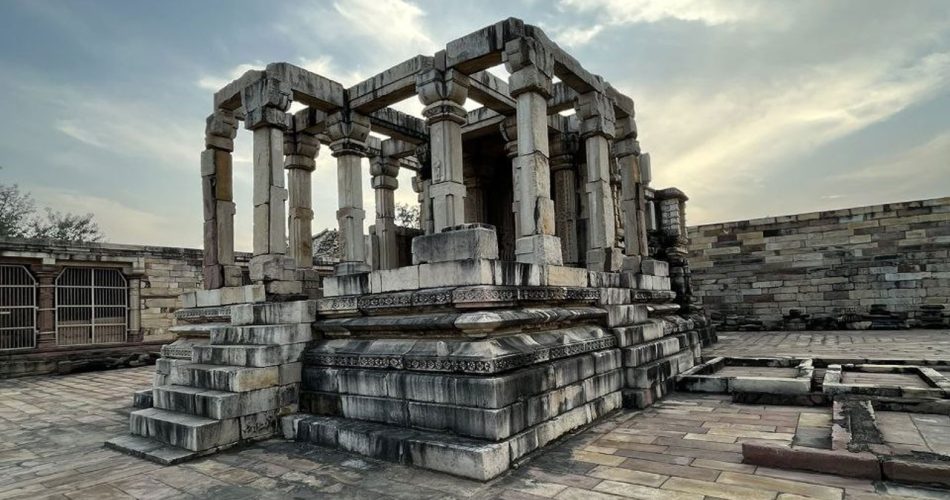
Garhwa is a beautiful district in the southwestern part of Jharkhand, known for its scenic hills, forests, rivers, waterfalls, tribal culture and religious heritage. The district is part of the Palamu Division and shares boundaries with Uttar Pradesh and Chhattisgarh. Garhwa town serves as the district headquarters.
Geography
Garhwa district covers an area of approximately 4,044 square kilometres and has about 33% forest coverage. The district is surrounded by the Sone River in the north, Palamu district and parts of Chhattisgarh in the south, Palamu in the east, and Sonbhadra district of Uttar Pradesh and Surguja district of Chhattisgarh in the west.
The district has a varied landscape of hills, forests, agricultural plains and rivers. The Koyal River forms part of the eastern boundary, while the Sone River forms the northern boundary. The Kanhar River also flows along part of the southern-eastern boundary.
History
Garhwa became an independent district on 1 April 1991, after being separated from the former Palamu district. At the time of its formation, Garhwa had eight blocks. Over the years, new administrative blocks were created, and the district now has 20 blocks.
Garhwa’s history is closely connected with the wider cultural and historical heritage of the Palamu region. Its hills, forests, tribal settlements and ancient religious sites add to its cultural importance.
Demographics
According to the latest district administration information, Garhwa has a population of approximately 13.22 lakh. The district has a population density of around 323 persons per square kilometre and a sex ratio of 935 females per 1,000 males. Scheduled Caste and Scheduled Tribe communities form an important part of the district’s population.
The district has 20 blocks, 3 subdivisions, 915 revenue villages, 189 Gram Panchayats and 3 Nagar Panchayats.
Administrative Divisions
Garhwa district has three subdivisions:
- Garhwa
- Ranka
- Nagar-Untari
The district currently consists of 20 blocks, including Garhwa, Meral, Ranka, Bhandaria, Manjhiaon, Nagar-Untari, Bhawanathpur, Dhurki, Dandai, Chiniya, Kharoundhi, Ramna, Ramkanda, Kandi, Danda, Ketar, Bishunpura, Bardiha, Sagma and Bargar.
Culture & Traditions
Garhwa reflects the rich cultural diversity of Jharkhand. Tribal traditions, folk customs, local festivals, traditional music and dance form an important part of life in rural areas.
The district’s forests and hills are also closely connected with the traditional livelihoods and cultural practices of local communities.
Economy
Agriculture is one of the major economic activities in Garhwa. The district’s rural economy is supported by agriculture, livestock, forestry and other local activities.
Garhwa has significant forest resources and a large rural population. However, parts of the district experience drought conditions because rainfall is unevenly distributed across the year.
Tourist Attractions
Garhwa is an emerging destination for travellers interested in waterfalls, forests, hills, religious places and scenic landscapes.
1. Satbahini Waterfall
Satbahini Waterfall is one of Garhwa’s notable natural attractions. The waterfall gets its name from the seven different streams of water that come together to create a beautiful natural spectacle. It is surrounded by greenery and rocky landscapes.
2. Guru Sindhu Waterfall
Guru Sindhu Waterfall is a scenic destination located near the border region of Garhwa. Surrounded by natural landscapes, the waterfall is known for its beauty and is an attractive destination for nature lovers and adventure enthusiasts.
3. Anraj Dam
Located around 12 kilometres south of Garhwa, Anraj Dam is known for its greenery, surrounding mountains and birdlife. It is a peaceful destination for visitors looking to enjoy nature away from the city.
4. Baba Khonhar Nath Temple
Baba Khonhar Nath Temple is an important religious destination in Garhwa. The site combines religious significance with natural surroundings and attracts devotees throughout the year.
Natural Beauty
Garhwa is blessed with hills, forests, rivers and waterfalls. One of its notable geographical features is Gulgulpath, located in the Bhandaria area. The district administration describes Gulgulpath as a high mountain peak and highlights the nearby village of Saruat as a destination worth visiting for hikers.
The combination of forests, rocky terrain and water resources makes Garhwa an interesting destination for nature lovers, photographers and adventure travellers.
Why Visit Garhwa?
Garhwa offers a less-explored side of Jharkhand, combining natural beauty, waterfalls, forests, hills, tribal culture and religious heritage. From the cascading waters of Satbahini and Guru Sindhu to the scenic surroundings of Anraj Dam and the hills of Gulgulpath, Garhwa provides plenty of opportunities for travellers looking to explore offbeat destinations.
Whether you are interested in nature, photography, trekking, spirituality or discovering lesser-known places in Jharkhand, Garhwa is a destination worth exploring.