
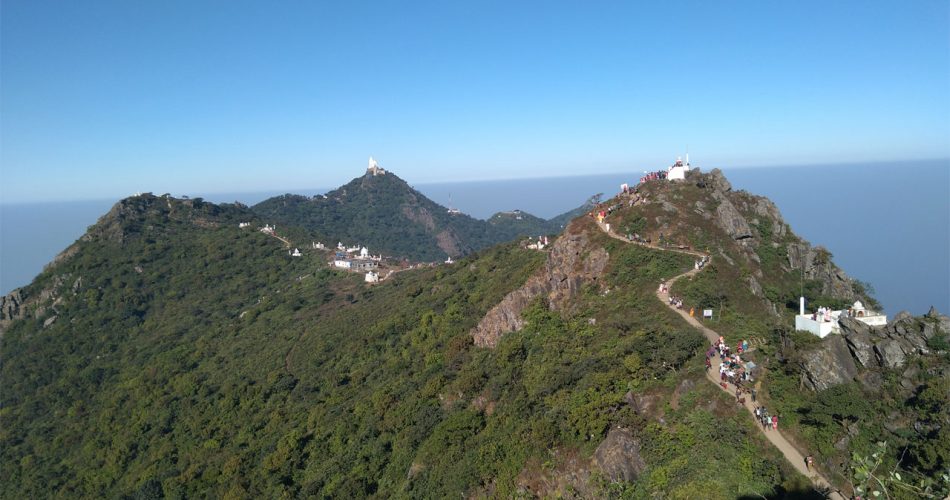
Giridih, known as the “City of Hills,” is one of the most scenic districts of Jharkhand. Located in the Chota Nagpur Plateau, Giridih is famous for its hills, dense forests, rivers, waterfalls, religious sites and rich mineral resources. The district headquarters is Giridih town, which is surrounded by beautiful natural landscapes.
Geography
Giridih district covers an area of approximately 4,853.56 square kilometres and lies in the central part of Jharkhand’s North Chota Nagpur Division. The district is bordered by Bihar to the north, Deoghar and Jamtara to the east, Dhanbad and Bokaro to the south, and Hazaribagh and Koderma to the west.
The district features central and lower plateau regions, hills, forests and river valleys. The Barakar and Sakri Rivers flow through the district, while the Usri River is an important river associated with Giridih town and Usri Falls.
History
Giridih was originally part of Hazaribagh district and was established as a separate district on 4 December 1972. The region has a long history connected with the Chota Nagpur Plateau and has traditionally been home to several tribal communities.
The area’s forests, hills and mineral wealth have played an important role in its economic and social development.
Population & Administration
According to the current district administration website, Giridih has a population of approximately 24.46 lakh. The district currently has:
- 4 Subdivisions
- 13 Blocks
- 358 Gram Panchayats
- 2,772 Villages
- District Headquarters: Giridih
Hindi is widely spoken in the district, along with several regional and tribal languages.
Culture & Traditions
Giridih has a diverse cultural heritage influenced by tribal communities and the wider traditions of Jharkhand. Traditional festivals, folk customs, music and dance remain an important part of rural life.
Festivals such as Sarhul, Sohrai and Karma are celebrated in different parts of the district, reflecting the close relationship between local communities and nature.
Economy
Giridih is a mineral-rich district and has historically been known for its coal and mica resources. The Tisri and Gawan areas are particularly known for mineral resources. Agriculture, forestry, mining, trade and local industries contribute to the district’s economy.
The district’s extensive forests contain trees such as Sal, Teak, Bamboo, Mahua, Palash, Kusum and Semal, supporting biodiversity as well as traditional livelihoods.
Tourist Attractions in Giridih
Giridih offers a combination of mountains, waterfalls, forests, dams and important religious destinations.
1. Parasnath Hills
Parasnath Hills, also known as Sammed Shikharji, is one of the most important Jain pilgrimage destinations in India. The highest point of the hills reaches approximately 1,350 metres. Twenty Jain Tirthankaras are traditionally believed to have attained salvation here.
The hills are also culturally significant to the Santhal community, who refer to the mountain as Marang Buru.
2. Usri Falls
Usri Falls is one of Giridih’s most popular natural attractions. The Usri River drops approximately 12 metres through a steep gorge in three separate streams. Dense forests and distinctive rock formations surround the waterfall, making it a popular destination for nature lovers and photographers.
Usri Falls is located about 13 kilometres east of Giridih town on the road towards Tundi.
3. Khandoli
Khandoli is a scenic hill and water reservoir located near Giridih. The Khandoli hill has a distinctive saddle-like shape and is surrounded by rocky landscapes and greenery. The area is known for outdoor activities, adventure and beautiful views.
4. Harihar Dham
Harihar Dham is a prominent religious destination in Giridih district, known for its large Shiva temple. It attracts devotees throughout the year and is particularly popular during religious festivals.
5. Jharkhand Dham
Jharkhand Dham is an important religious site associated with Lord Shiva. The temple complex attracts pilgrims from Jharkhand and neighbouring states, especially during festivals and special occasions.
6. Langta Baba Samadhi Sthal
Langta Baba Samadhi Sthal is a respected religious destination in Giridih and is visited by devotees seeking blessings at the samadhi of Langta Baba.
7. Dukhiya Mahadev Temple
Dukhiya Mahadev Temple is another important Shiva temple in the district and forms part of Giridih’s religious heritage.
8. Surya Temple
The Surya Temple is a religious attraction dedicated to the Sun God and is visited by devotees and travellers exploring the district.
Natural Beauty of Giridih
Giridih is surrounded by hills, forests and rivers, making it one of the naturally diverse districts of Jharkhand. The combination of the Parasnath Hills, Usri River, waterfalls, forests and plateau landscapes provides numerous opportunities for sightseeing, photography, trekking and nature exploration.
The winter months are generally considered the most pleasant time to explore Giridih, while summers can be quite hot.
Why Visit Giridih?
Giridih is a destination where nature, spirituality, adventure and culture come together. From the sacred heights of Parasnath Hills and the cascading streams of Usri Falls to the scenic landscapes of Khandoli, the district offers a wide variety of experiences.
Whether you are looking for a spiritual journey, a weekend nature escape, waterfall photography, trekking or an opportunity to explore the lesser-known beauty of Jharkhand, Giridih is a destination worth discovering.