
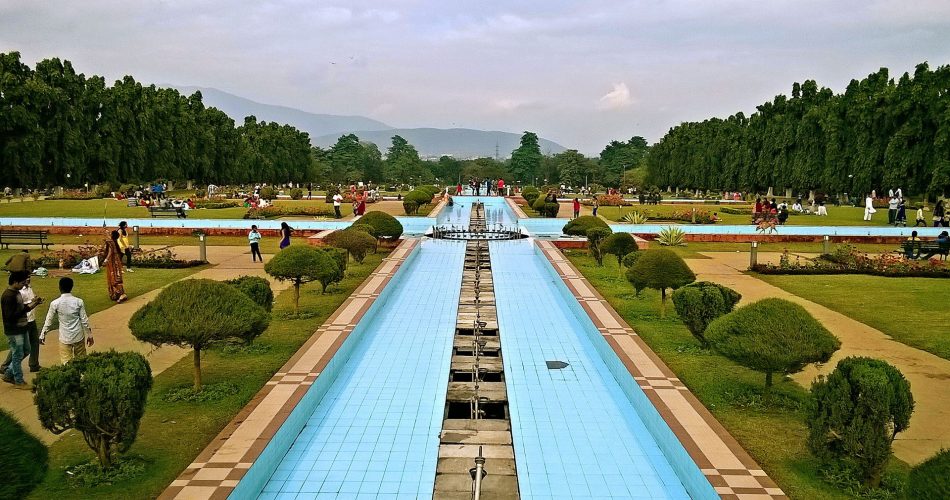
East Singhbhum, also known as Purbi Singhbhum, is one of the most important districts of Jharkhand, located in the southeastern part of the state. Its headquarters is Jamshedpur, popularly known as the “Steel City of India.” The district is known for its industrial development, rich mineral resources, forests, hills, rivers, and diverse tribal and cultural heritage.
Geography:
- Location: Southeastern Jharkhand
- District Headquarters: Jamshedpur
- Total Area: Approximately 3,533 square kilometers
- Population: 2,293,919 (Census 2011)
- Population Density: About 644 persons per square kilometer
- Major Rivers: Subarnarekha and Kharkai
- Landscape: Hills, forests, rivers and parts of the Chota Nagpur Plateau
- Major Hill Range: Dalma Range
- Climate: Temperate, with hot summers, monsoon rainfall and cool winters
About 53% of the district’s area is covered by residual mountains and hills. The Dalma Range stretches from west to east, while the Subarnarekha River flows through the district. The region is also rich in mineral resources such as iron ore, copper, uranium, gold and kyanite.
History & Cultural Significance:
East Singhbhum was formed on 16 January 1990, after nine blocks were separated from the old Singhbhum district. Before independence, parts of the region were associated with the old Manbhum district and Dhalbhum Estate.
The name Singhbhum is traditionally associated with the “Land of Lions.” The district has a rich tribal and folk heritage, with communities speaking languages belonging to Munda, Dravidian and Indo-Aryan language families.
Major traditional festivals celebrated in the region include Sarhul, Karam, Bandna, Chait-Ganjan and Makar/Tusu Parab. Folk songs, tribal dances and traditional customs remain an important part of the district’s cultural identity.
Demographics:
According to the 2011 Census:
- Total Population: 22,93,919
- Male Population: 11,76,902
- Female Population: 11,17,017
- Urban Population: 12,74,591
- Rural Population: 10,19,328
- Sex Ratio: 949 females per 1,000 males
- Scheduled Tribe Population: Approximately 29%
Hindi, Bengali, Odia, Ho, Mundari, Santhali and several other languages are spoken across the district.
Administrative Divisions:
East Singhbhum is divided into two subdivisions and eleven blocks.
Subdivisions:
- Dhalbhum
- Ghatshila
Blocks:
- Golmuri-cum-Jugsalai
- Potka
- Patamda
- Boram
- Ghatshila
- Musabani
- Dumaria
- Baharagora
- Dhalbhumgarh
- Chakulia
- Gurabandha
Jamshedpur serves as the administrative headquarters of the district.
Economy:
East Singhbhum is one of Jharkhand’s major industrial and mining regions. Jamshedpur is internationally known for its steel and engineering industries, while the wider district is rich in mineral resources.
Major economic activities include:
- Steel & Engineering: Jamshedpur is a major industrial centre.
- Mining: Iron ore, copper, uranium, gold and other minerals are found in the district.
- Agriculture: Rural areas depend significantly on agriculture and allied activities.
- Forestry: Forest resources and traditional forest-based livelihoods contribute to the rural economy.
- Trade & Services: Jamshedpur is a major commercial and service hub of Jharkhand.
The district administration describes East Singhbhum as having a leading position in Jharkhand in terms of industrial growth and mining and quarrying.
Education & Healthcare:
Jamshedpur and the surrounding region have developed educational and healthcare infrastructure serving both East Singhbhum and neighbouring districts.
East Singhbhum is also an important healthcare centre for the region. According to the district administration, the rural healthcare network includes 9 Primary Health Centres (PHCs), 16 Additional Primary Health Centres (APHCs) and 242 Health Sub-Centres (HSCs).
Transportation & Connectivity:
Air:
Sonari Airport is located within Jamshedpur. Birsa Munda Airport in Ranchi is another major airport serving the region and is approximately 120 km from Jamshedpur.
Rail:
Tatanagar Junction is the principal railway station in Jamshedpur and provides connectivity to major cities across India.
Road:
Jamshedpur is well connected by road to major cities and regions of Jharkhand, West Bengal and Odisha. Major highways provide connectivity towards Kolkata, Kharagpur and other important destinations.
Tourist Attractions:
East Singhbhum offers a combination of urban attractions, forests, hills, lakes and religious sites.
1. Jubilee Park
One of Jamshedpur’s most popular recreational attractions, Jubilee Park features landscaped gardens, fountains, a lake, recreational spaces and attractions including the Tata Steel Zoological Park.
2. Dalma Wildlife Sanctuary
Spread across the Dalma hills, this wildlife sanctuary is known particularly for its elephant population, forests and scenic hilltop views. The sanctuary was established in 1975.
3. Dimna Lake
Located near the Dalma range, Dimna Lake is a popular scenic and picnic destination. Boating and other recreational activities are associated with the lake, while the surrounding hills and greenery create a picturesque setting.
4. Burudi Lake
Located in the Ghatshila subdivision, Burudi Lake is a scenic natural attraction formed around Burudi Dam and is popular among visitors seeking a peaceful getaway.
5. Rankini Temple
Located in Rohinibera village of Potka block, Rankini Temple is an important religious destination and is also visited by tourists travelling towards the Ghatshila region.
6. Sai Temple, Sonari
The Sri Sai Temple in Sonari is one of the prominent religious attractions of Jamshedpur and attracts devotees throughout the year.
7. Bhooteshwar Mandir
Located in Gada village of Baharagora block, Baba Bhooteshwar Mandir is an important local religious shrine associated with traditional celebrations and the Gajan festival.
Why Visit East Singhbhum?
East Singhbhum offers a unique combination of industry, nature, wildlife, tribal culture and modern urban life. From the planned green spaces of Jamshedpur to the forests of Dalma and the scenic landscapes around Ghatshila, the district has something for nature lovers, history enthusiasts, photographers, pilgrims and travellers.
Whether you want to explore the Steel City of Jamshedpur, enjoy the peaceful surroundings of Dimna Lake, experience the forests of Dalma, or discover the scenic beauty of Ghatshila, East Singhbhum is one of the most diverse destinations in Jharkhand.