
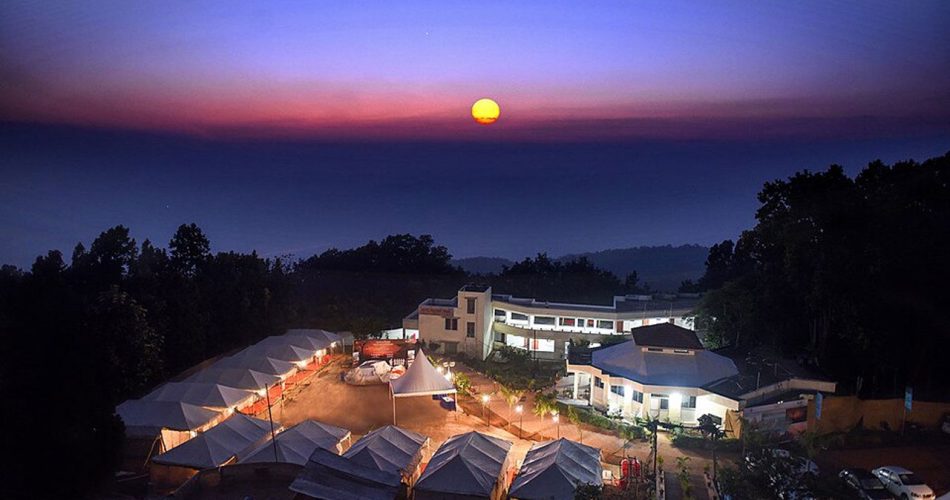
Latehar is a beautiful district in western Jharkhand, known for its dense forests, hills, waterfalls, wildlife, tribal heritage and scenic landscapes. Located in the Palamu Division, Latehar is one of the state’s most naturally diverse districts and offers several offbeat destinations for nature and adventure lovers. Latehar town serves as the district headquarters.
Geography
Latehar district covers an area of approximately 3,622 square kilometres and is characterized by forests, hills, plateaus, valleys and rivers.
The district shares boundaries with Palamu, Lohardaga, Gumla, Ranchi, Chatra and West Singhbhum. The landscape forms part of the Chota Nagpur Plateau, with several forested hills and river valleys spread across the district.
Important rivers flowing through the region include the North Koel, Auranga and Burha rivers.
History
Latehar was historically part of the larger Palamu region. It became a separate district on 4 April 2001, after being carved out of the former Palamu district.
The region has a long association with tribal communities and the forests of the Chota Nagpur Plateau. Tribal traditions and local customs continue to form an important part of the district’s cultural identity.
Latehar also has historical connections with the tribal resistance movements that took place across Jharkhand during the British period.
Population & Administration
According to Census 2011, Latehar district had a population of approximately 7.27 lakh.
The district is divided into two subdivisions:
- Latehar
- Mahuadanr
Latehar has nine blocks:
- Latehar
- Chandwa
- Balumath
- Bariyatu
- Herhanj
- Manika
- Barwadih
- Garu
- Mahuadanr
Latehar town is the administrative headquarters of the district.
Tribal Culture & Heritage
Latehar has a strong tribal cultural identity, with communities such as Oraon, Munda and other tribal groups living across the district.
Traditional festivals including Sarhul, Karma, Sohrai and other local tribal celebrations are observed with traditional music, dance and community gatherings.
The forests are closely connected with the lives and livelihoods of local communities, who traditionally depend on agriculture and forest-based resources.
Economy
Agriculture, forestry, mining and forest-based activities are important components of Latehar’s economy.
Major crops include paddy, maize, pulses and vegetables. The district’s extensive forests provide resources such as mahua, tamarind, lac, bamboo and other minor forest produce.
Latehar is also known for its mineral resources, including coal and bauxite, which contribute to the district’s industrial and economic activities.
Tourist Attractions in Latehar
Latehar is an excellent destination for travellers interested in waterfalls, wildlife, forests, hills, caves and offbeat destinations.
1. Betla National Park
Betla National Park is one of the most famous tourist attractions in Latehar and one of the earliest national parks established in India.
Located in the Palamu Tiger Reserve landscape, the park is known for its forests, wildlife and scenic surroundings. Visitors may encounter elephants, gaur, deer, wild boar, sloth bears and various species of birds.
The park is an important destination for wildlife enthusiasts, photographers and nature lovers.
2. Palamu Tiger Reserve
The Palamu Tiger Reserve is one of Jharkhand’s most important wildlife destinations and forms a major part of Latehar’s natural heritage.
The reserve features extensive forests, hills, rivers and diverse wildlife. It is particularly known for its elephant population and efforts towards tiger conservation.
3. Lodh Falls
Lodh Falls, also known as Budha Ghagh, is one of the most spectacular waterfalls in Jharkhand.
Located in the Mahuadanr area, the waterfall is formed by the Burha River and drops through a rugged forested landscape. With a height of around 143 metres, it is widely regarded as the highest waterfall in Jharkhand.
The surrounding forests and hills make Lodh Falls a spectacular destination for nature lovers and photographers.
4. Netarhat
Netarhat is one of the most popular hill destinations of Jharkhand and is located in Latehar district.
Often called the “Queen of Chotanagpur,” Netarhat is famous for its pleasant climate, dense forests, hills and spectacular sunrise and sunset views.
Popular attractions around Netarhat include Magnolia Point, Koel View Point, Upper Ghaghri Falls and Lower Ghaghri Falls.
5. Magnolia Point
Magnolia Point is one of Netarhat’s most famous viewpoints. It is particularly popular for its beautiful sunset views over the surrounding hills and valleys.
The viewpoint is named after the local legend associated with Magnolia, making it both a scenic and culturally interesting destination.
6. Koel View Point
Koel View Point offers panoramic views of the Koel River and surrounding valleys.
The combination of forests, hills and the winding river makes this one of the most scenic viewpoints in Netarhat and an excellent place for photography.
7. Upper Ghaghri Waterfall
Upper Ghaghri Waterfall is a scenic waterfall near Netarhat. Surrounded by dense forests and rocky terrain, it is especially attractive during the monsoon season.
The peaceful surroundings make it a popular destination for visitors exploring the natural beauty of Netarhat.
8. Lower Ghaghri Waterfall
Lower Ghaghri Waterfall is another beautiful natural attraction around Netarhat. The waterfall flows through a forested landscape and offers a refreshing escape for nature lovers.
The surrounding hills and greenery make the area particularly beautiful during the rainy season.
9. Mirchaiya Falls
Mirchaiya Falls is another scenic waterfall in the Latehar region. Surrounded by forests and rocky landscapes, it is an offbeat destination for travellers looking to explore the lesser-known natural attractions of Jharkhand.
10. Palamu Fort
The historic Palamu Fort is located in the forested region associated with the Chero dynasty and the history of the Palamu region.
The old fort complex and surrounding forests provide an interesting combination of history, architecture and nature.
Natural Beauty
Latehar is one of Jharkhand’s richest districts in terms of natural landscapes. Its dense forests, hills, waterfalls, rivers and wildlife habitats make it particularly attractive to nature lovers.
The combination of Betla National Park, Palamu Tiger Reserve, Netarhat, Lodh Falls and numerous smaller waterfalls gives Latehar a unique position among Jharkhand’s tourism destinations.
During the monsoon, the district becomes especially scenic as waterfalls become fuller and the forests turn lush green.
Transportation & Connectivity
Latehar is connected by road and railway with major towns and cities of Jharkhand.
Latehar Railway Station lies on the important railway route connecting Ranchi, Daltonganj and other parts of eastern and central India.
The nearest major airport is Birsa Munda Airport in Ranchi, which provides air connectivity for visitors travelling to Latehar and Netarhat.
Best Time to Visit Latehar
The October to February period is generally considered one of the best times to explore Latehar, especially Netarhat, Betla and the wildlife areas.
The monsoon season from July to September is ideal for experiencing waterfalls such as Lodh, Ghaghri and Mirchaiya, when the forests are lush green and the waterfalls are at their most spectacular.
Why Visit Latehar?
Latehar is a destination where wildlife, waterfalls, forests, hills, tribal culture and history come together. From the wildlife of Betla and Palamu Tiger Reserve to the breathtaking Lodh Falls and the hill landscapes of Netarhat, the district offers some of the most memorable natural experiences in Jharkhand.
If you are looking for wildlife adventures, scenic hill stations, waterfalls, forest trails and offbeat destinations, Latehar is one of the best districts of Jharkhand to explore.