
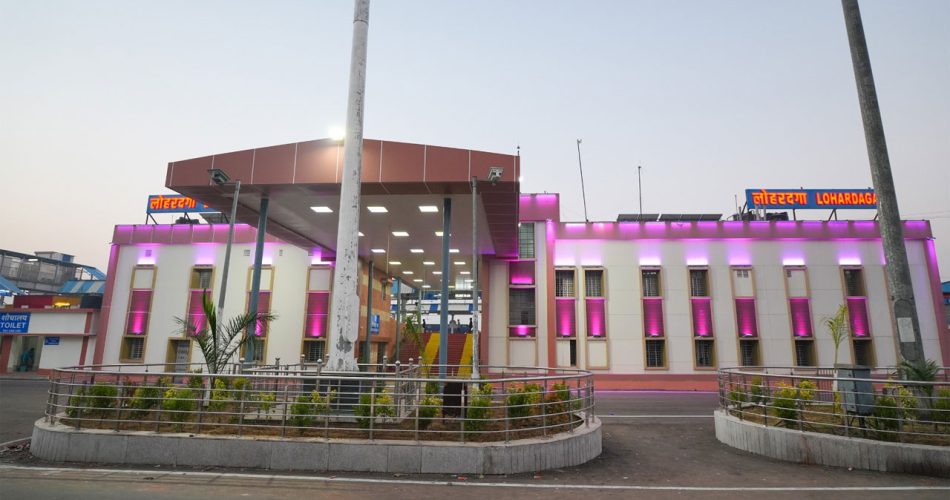
Lohardaga is a beautiful district in southwestern Jharkhand, located in the Chota Nagpur Plateau. Known for its green hills, forests, waterfalls, tribal heritage and rich mineral resources, Lohardaga is an excellent destination for nature lovers, pilgrims, photographers and travellers looking for offbeat places in Jharkhand.
The district headquarters is Lohardaga town, which is also the main administrative and commercial centre of the district.
Geography
Lohardaga covers an area of approximately 1,491 square kilometres and is surrounded by hills, forests, valleys and rivers. The district shares its boundaries with Latehar in the north, Gumla in the south and west, and Ranchi in the east.
The general slope of the district is from west to east. Important rivers include the South Koel, Sankh, Nandini, Chaupat and Fulijhar. Several natural springs can also be found in the hilly areas.
Lohardaga enjoys a pleasant climate, with an annual average temperature of around 23°C.
History
Lohardaga became a separate district in 1983, after the former Ranchi district was divided into Ranchi, Lohardaga and Gumla. Lohardaga town became the administrative headquarters of the new district. Before becoming a district, Lohardaga was given the status of a subdivision in 1972.
The district also has historical and religious references dating back centuries. Jain texts mention a visit of Lord Mahavira to the region, while Ain-e-Akbari refers to a place called “Kismate Lohardaga.”
The name Lohardaga is traditionally associated with the words “Lohar” and “Daga,” referring to a centre associated with iron.
Population & Administration
Lohardaga is a predominantly rural and tribal district with a rich cultural heritage.
The district administration currently lists 354 villages, one municipality and 12 police stations.
Lohardaga town serves as the district headquarters and is the primary centre for administration, education, healthcare, trade and transportation.
Tribal Culture & Heritage
Lohardaga has a strong tribal cultural identity, with communities such as Oraon, Munda and other tribal groups forming an important part of the region’s social fabric.
Traditional festivals such as Sarhul, Karma and Sohrai are celebrated with traditional music, dance and community gatherings.
The district’s forests, hills and agricultural landscapes have long been closely connected with the traditional lifestyle and livelihoods of local communities.
Economy
Agriculture, forestry and mining are important parts of Lohardaga’s economy.
The district is particularly famous for its bauxite reserves and is popularly described by the district administration as the “City of Bauxite.” Other minerals found in the region include feldspar, fire clay and china clay.
Agriculture is another important economic activity, with rural communities depending on farming and forest-based resources.
Tourist Attractions in Lohardaga
Lohardaga offers a combination of waterfalls, hills, forests, temples, dams and scenic landscapes. The district administration highlights Lavapani Waterfall, Kekarang Waterfall, Prachin Shiv Temple at Khakparta, Victoria Lake, Nandini Dam, Akhileshwar Dham, Peshrar Hills and Ajay Park among its attractions.
1. Lavapani Waterfall
Lavapani Waterfall is one of the most important natural attractions of Lohardaga. It is located in Madanpur village of Peshrar Block, approximately 52 km from the district headquarters.
The water flows down the rocky landscape in seven steps, creating a beautiful cascading waterfall. Surrounded by forests and hills, Lavapani is also a popular picnic destination.
2. Kekarang Waterfall
Kekarang Waterfall is another scenic natural attraction of Lohardaga. Located amid the district’s hilly and forested landscape, it offers visitors an opportunity to enjoy the peaceful beauty of nature.
The waterfall is particularly attractive during the monsoon season when the surrounding forests become lush green.
3. Prachin Shiv Mandir, Khakparta
The Prachin Shiv Mandir at Khakparta is one of Lohardaga’s popular religious and historical attractions.
The temple is dedicated to Lord Shiva and is situated on a small hill in Khakparta village, around 8 km from Lohardaga town. Its peaceful surroundings and scenic location make it attractive to both pilgrims and visitors.
4. Akhileshwar Dham
Akhileshwar Dham is an important religious destination dedicated to Lord Shiva. Located in Bhandra Block, approximately 21 km from the district headquarters, the temple attracts thousands of devotees.
The temple has a distinctive natural setting, with a rocky formation on one side and a large pond on the other. The annual Shravani Mela is particularly popular in the surrounding region.
5. Victoria Lake
Victoria Lake is one of the scenic attractions associated with Lohardaga. Surrounded by greenery, the lake offers a peaceful environment for visitors and is an attractive location for photography and relaxation.
6. Nandini Dam
Nandini Dam is a scenic water body surrounded by the natural landscapes of Lohardaga. It provides a peaceful setting for visitors and is especially attractive during the monsoon and winter seasons.
7. Peshrar Hills
The Peshrar Hills showcase the rugged natural beauty of Lohardaga. The area is characterized by forests, hills and waterfalls and is particularly attractive for travellers interested in nature and offbeat destinations.
Lavapani Waterfall is also located in the Peshrar region.
8. Ajay Park
Ajay Park is a recreational destination in Lohardaga and provides a pleasant space for visitors and families looking for a relaxing outing.
Natural Beauty
Lohardaga is blessed with forested hills, rocky landscapes, rivers, springs and waterfalls. The district’s natural beauty becomes especially impressive during the monsoon, when the forests turn green and waterfalls such as Lavapani become more spectacular.
The combination of Peshrar Hills, Lavapani Waterfall, Kekarang Waterfall and Nandini Dam makes Lohardaga an interesting destination for nature lovers and photographers.
Transportation & Connectivity
Lohardaga is well connected with Ranchi and nearby districts by road and railway.
Lohardaga Railway Station is connected with Ranchi and Tori in Latehar district, providing convenient railway access to the region.
The nearest major airport is Birsa Munda Airport in Ranchi, approximately 70 km from Lohardaga.
Best Time to Visit Lohardaga
The monsoon season from July to September is ideal for experiencing Lohardaga’s waterfalls, forests and lush green landscapes.
For comfortable sightseeing, temple visits and exploring the district’s scenic locations, October to February is generally a pleasant time to visit.
Visitors should take extra care around waterfalls and hilly areas during heavy rainfall.
Why Visit Lohardaga?
Lohardaga offers a unique combination of tribal culture, natural beauty, waterfalls, hills, spirituality and mineral heritage. From the cascading waters of Lavapani and the scenic Peshrar Hills to the ancient temples of Khakparta and Akhileshwar Dham, the district has plenty to explore.
If you are looking for a lesser-known destination in Jharkhand filled with forests, waterfalls, hills and cultural heritage, Lohardaga is a destination worth discovering.