
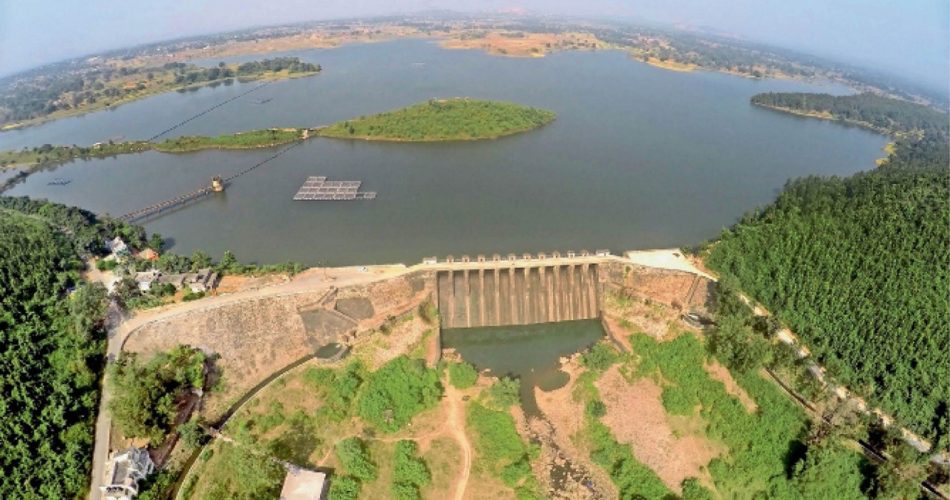
Simdega is a scenic district in southwestern Jharkhand, known for its lush green forests, rolling hills, waterfalls, rivers, tribal heritage and peaceful natural surroundings. Located in the South Chotanagpur region, Simdega is one of the lesser-explored destinations of Jharkhand and is ideal for nature lovers, photographers and travellers looking for offbeat places.
Simdega town serves as the district headquarters.
Geography
Simdega district covers an area of approximately 3,774 square kilometres and is located in the southwestern part of Jharkhand.
The district shares boundaries with Gumla and Khunti in the north, West Singhbhum in the east, Chhattisgarh and Odisha in the south and Odisha in the west.
The landscape consists of forests, hills, valleys, rivers and agricultural land. Important rivers flowing through the district include the Sankh, Deo and Palamara rivers.
Simdega’s relatively low population density and extensive forest areas contribute to its peaceful and natural environment.
History
Simdega has a long history associated with the tribal communities and traditional kingdoms of the Chota Nagpur region.
The region was historically part of the larger Gumla district. Simdega became a separate district on 30 April 2001, after being carved out of Gumla.
The district has strong historical and cultural connections with the Oraon and Munda communities, whose traditions continue to influence the region.
Population & Administration
According to Census 2011, Simdega district had a population of approximately 5.99 lakh.
The district is divided into two subdivisions:
- Simdega
- Kolebira
Simdega has 10 blocks:
- Simdega
- Kolebira
- Thethaitangar
- Jaldega
- Bano
- Kurdeg
- Bolba
- Kersai
- Pakartand
- Kurbega
Simdega town is the administrative headquarters.
Tribal Culture & Heritage
Simdega has a strong tribal cultural identity, particularly associated with the Oraon, Munda and other tribal communities.
Traditional festivals such as Sarhul, Karma, Sohrai and Mage Parab are celebrated with traditional music, dance and community gatherings.
The district’s tribal villages, traditional customs and forest-based lifestyle provide visitors with an opportunity to experience an authentic aspect of Jharkhand’s cultural heritage.
Economy
Agriculture and forestry are the major components of Simdega’s rural economy.
Important crops include paddy, maize, pulses, vegetables and oilseeds. Forest products such as mahua, tamarind, lac, bamboo and other minor forest produce also contribute to local livelihoods.
Simdega is also known for its strong sports culture, particularly hockey. The district has produced several notable hockey players and is widely regarded as one of Jharkhand’s important hockey centres.
Tourist Attractions in Simdega
Simdega is an excellent destination for travellers interested in waterfalls, forests, hills, temples and offbeat natural attractions.
1. Kelaghagh Dam
Kelaghagh Dam is one of the most popular tourist attractions in Simdega.
Located near Simdega town, the reservoir is surrounded by hills and greenery. The peaceful environment and scenic views make it a popular destination for picnics, boating and photography.
The surrounding landscape is particularly beautiful during the monsoon season.
2. Ramrekha Dham
Ramrekha Dham is one of the most important religious and historical destinations in Simdega.
Located in the Bolba area, the site is traditionally associated with Lord Rama, Sita and Lakshmana and is believed to have connections with their journey during the exile period.
The site includes caves, ancient footprints and religious structures and attracts devotees throughout the year.
3. Ghaghri Waterfall
Ghaghri Waterfall is a beautiful natural attraction surrounded by forests and hills.
The waterfall becomes particularly spectacular during the monsoon when the water flow increases and the surrounding landscape turns lush green.
It is a peaceful destination for nature lovers and photographers.
4. Bano
Bano is a scenic area of Simdega known for its forests, hills and natural surroundings.
The region is also historically and culturally significant and provides opportunities to explore the rural and tribal landscapes of the district.
5. Kelaghagh Reservoir
The Kelaghagh Reservoir is surrounded by forested hills and offers beautiful views of the surrounding countryside.
The calm waters and green landscape make it an attractive destination for visitors looking for a peaceful escape.
6. Bolba
Bolba is known for its natural beauty and religious significance, particularly because of Ramrekha Dham.
The surrounding forests, hills and rural landscapes make Bolba an interesting destination for travellers exploring offbeat places in Simdega.
7. Kersai
Kersai is another scenic area of Simdega surrounded by greenery and rural landscapes.
The region reflects the traditional lifestyle and natural environment of the district and is suitable for travellers interested in exploring less-commercialized destinations.
Natural Beauty
Simdega is blessed with dense forests, rolling hills, rivers, reservoirs and waterfalls.
The district’s natural beauty is especially impressive during the monsoon when the forests become lush green and waterfalls such as Ghaghri become fuller.
The combination of Kelaghagh Dam, Ghaghri Waterfall, Ramrekha Dham and forested landscapes makes Simdega an excellent destination for nature lovers and photographers.
Sports & Hockey Heritage
Simdega has earned a special reputation as a hockey hub of Jharkhand.
Hockey is deeply connected with the district’s sporting culture, and many talented players have emerged from its rural areas.
The district’s strong hockey tradition has made it an important centre for developing young sporting talent in Jharkhand.
Transportation & Connectivity
Simdega is connected by road with Ranchi, Gumla, Rourkela and other neighbouring towns.
The district does not have a major railway station within the town. Ranchi and Rourkela are among the important railway and transportation centres accessible from Simdega.
The nearest major airport is Birsa Munda Airport in Ranchi, which provides air connectivity for visitors travelling to Simdega.
Best Time to Visit Simdega
The July to February period is ideal for exploring Simdega.
The monsoon season is particularly attractive for visiting waterfalls and enjoying the lush green forests and hills.
The winter months from October to February offer pleasant weather for sightseeing, temple visits, photography and outdoor activities.
Why Visit Simdega?
Simdega is a destination where tribal culture, waterfalls, forests, spirituality and sports heritage come together.
From the peaceful waters of Kelaghagh Dam and the natural beauty of Ghaghri Waterfall to the spiritual significance of Ramrekha Dham and the district’s strong hockey tradition, Simdega offers a unique experience for travellers.
If you want to explore a peaceful and lesser-known destination in Jharkhand surrounded by forests, hills, waterfalls and tribal culture, Simdega is definitely worth discovering.