
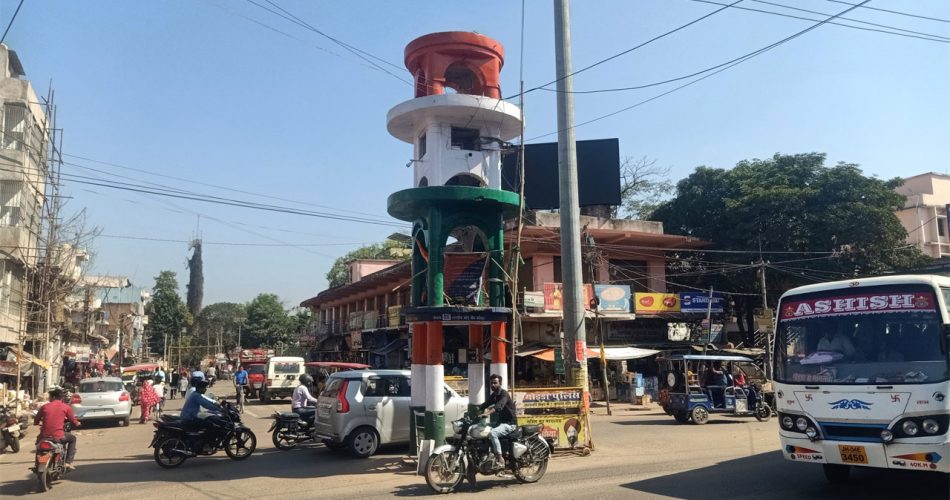
Godda is a district in northeastern Jharkhand and an important part of the historic Santhal Pargana region. Known for its rich tribal heritage, scenic hills, forests, agriculture, religious sites and cultural traditions, Godda offers a fascinating combination of nature, history and spirituality. Godda town is the district headquarters.
Geography
Godda district covers an area of approximately 2,110 square kilometres and is located in the northeastern part of Jharkhand. The district forms part of the Santhal Pargana region and has a landscape of hills, forests, agricultural land and rivers.
The region is particularly known for its natural surroundings and tribal communities. Agriculture remains an important part of the local economy, with paddy, wheat and maize among the major crops.
History
The history of Godda dates back to ancient times. Archaeological evidence, including stone tools and implements, indicates human settlement in the region since the Stone Age. Historical accounts also connect the wider Santhal Pargana region with the Mauryan period, Buddhist traditions and later medieval kingdoms.
Godda was historically part of the erstwhile Santhal Pargana district. The old Godda subdivision was subsequently separated to form the present district. Today, the district consists of eight blocks: Meherma, Mahagama, Boarijor, Pathargama, Godda, Sundarpahari, Poraiyahat and Thakur Gangti.
Culture & Heritage
Godda is strongly associated with Santhal tribal culture and heritage. Santhal communities form an important part of the district’s cultural identity, alongside other tribal, rural and urban communities. Traditional festivals, folk traditions, music, dance and local customs continue to enrich the cultural life of the region.
Ratneshwar Dham
Ratneshwar Dham, located in Shivpur Muhalla of Godda town, is an important religious site dedicated to Lord Shiva. The temple complex is known for its collection of Shiva lingas and attracts devotees throughout the year.
During Sawan, devotees traditionally bring holy water from Sultanganj in Bihar and undertake a barefoot pilgrimage to the temple.
Yogini Maa Temple
Yogini Maa Temple, located near Pathargama, is one of the prominent religious attractions of Godda. The temple is situated on a hilltop and is associated with the Shakti tradition. Devotees climb approximately 400 steps to reach the shrine, which includes a small cave containing the deity.
Tourist Attractions in Godda
Godda has several religious, historical and natural attractions that are ideal for travellers interested in exploring lesser-known destinations of Jharkhand.
1. Yogini Shakti Peeth
Yogini Shakti Peeth is located near Lakhanpahari village, around 2 kilometres from Pathargama. According to local tradition, it is associated with the Shakti Peeth tradition and is believed to be the place where a part of Goddess Sati fell. The shrine attracts large numbers of devotees, particularly on Tuesdays and Saturdays.
2. Basantrai
Basantrai is a historic and scenic destination associated with Raja Basant Rai. The place is known for a large historic water tank spread across approximately 50 acres. Local legends surrounding the tank make Basantrai an interesting destination for visitors exploring the cultural heritage of Godda.
3. Sundar Dam
Sundar Dam is one of the important water resources and scenic attractions of Godda. It is constructed on the Sundar River near Rajabhitha village, northeast of Pathargama. The dam also plays an important role in irrigation in the district.
4. Ratneshwar Dham
Ratneshwar Dham is among the most popular religious destinations in Godda town. With its Shiva temples and spiritual significance, it attracts devotees from different parts of the region.
5. Yogini Maa Mandir
Situated on a hilltop in Pathargama, Yogini Maa Mandir combines spiritual significance with a scenic setting. The climb to the temple provides visitors with an opportunity to experience the area’s natural surroundings along with its religious heritage.
Economy
Agriculture is one of the main economic activities in Godda. Paddy, wheat and maize are among the major crops cultivated in the district. The rural economy also depends on forestry, livestock, local trade and other agricultural activities.
Godda is also associated with the traditional silk industry and is described by the Jharkhand government as a Silk City, adding another dimension to its economic and cultural identity.
Transportation & Connectivity
Godda has historically had limited railway connectivity, although the district’s current government information now identifies Godda railway station as serving the district. Road connectivity remains an important means of travelling between Godda and neighbouring towns and districts.
Natural Beauty
The landscape of Godda features hills, forests, agricultural fields and water bodies. The Sundar Dam, hilltop temples and rural landscapes provide opportunities for nature photography, peaceful outings and cultural exploration.
The Sundarpahari area is particularly associated with the district’s hilly and forested landscape, making Godda an interesting destination for travellers looking beyond Jharkhand’s more famous tourist locations.
Why Visit Godda?
Godda is a destination where tribal heritage, spirituality, history and natural beauty come together. From the sacred Yogini Shakti Peeth and Ratneshwar Dham to the historic Basantrai and scenic Sundar Dam, the district offers several places worth discovering.
For travellers interested in exploring the lesser-known destinations of Jharkhand, Godda provides an authentic experience of the state’s Santhal culture, rural landscapes, religious traditions and natural surroundings.